Signs Your Well Pump Is Failing (Before You Lose Water)
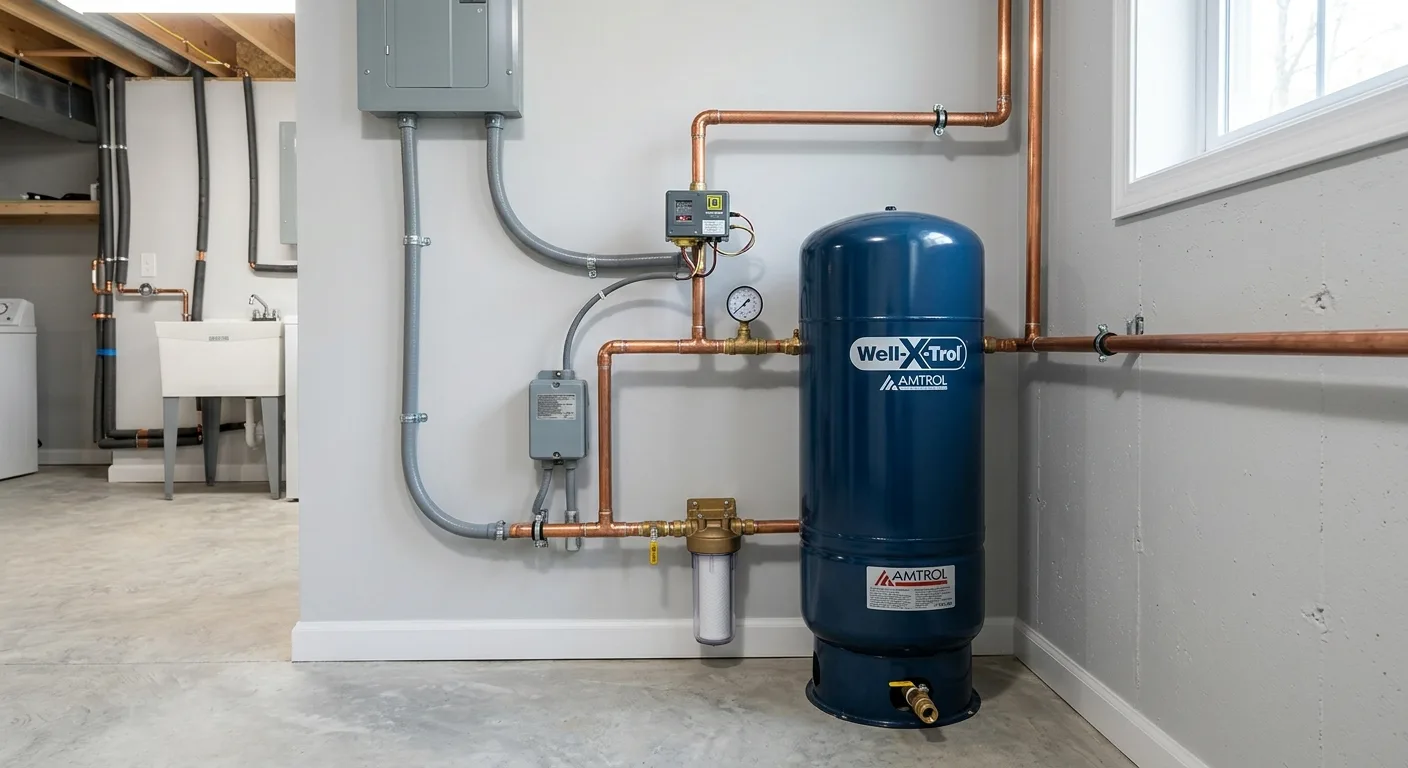
The signs your well pump is failing usually show up at the faucet long before the pump quits for good: pressure that sags in the shower, water that spits and sputters air, a pump that clicks on and off every minute, or an electric bill that crept up for no obvious reason. Here's the part most articles skip. Half the time a homeowner is sure the pump is dying, the real culprit is a waterlogged pressure tank sitting next to it, and that's a much cheaper fix. On a private well out in the upper part of Montgomery County, reading these symptoms right is the difference between a $300 part and a full pump pull. If you're on well water and something feels off, call the shop and describe it: (301) 834-2944.
"When someone tells me their well pump is failing, my first question is about the pressure tank, not the pump. Half the time the tank is waterlogged and the pump is just working itself to death trying to cover for it."
Chase Holdsworth owns and runs Holdsy, and well water is our bread and butter across the upper county, so this post is written the way we actually diagnose it on the truck: symptom by symptom, with the mechanical reason behind each one, and a clear line for when to stop poking at it yourself. Damascus, Clarksburg, and Poolesville sit in the part of the county still largely on private wells, and the systems out there share the same handful of failure patterns.
What are the signs your well pump is failing?
The most common signs a well pump is failing are dropping or fluctuating water pressure, faucets that spit air, the pump running constantly or short-cycling on and off, sputtering or dirty water, and a jump in the electric bill. A well pump is a submersible motor sitting deep in the casing, and when it starts to wear it either can't build pressure the way it used to or it runs far more than it should to keep up. Every symptom below traces back to one of those two problems.
Here's how the symptoms map to what's actually going wrong down the well:
| What you notice | Likely cause | Stop DIY when |
|---|---|---|
| Pressure sags in the shower | Worn pump, clogged screen, or a waterlogged tank | Pressure never recovers |
| Air spits from the faucet | Dropping water table or a leak in the drop pipe | Air keeps coming back |
| Pump clicks on and off constantly | Waterlogged pressure tank | Cycling is under a minute |
| Pump runs and never shuts off | Failing pump or a system leak | Right away, it burns the motor |
| Electric bill climbed | Pump running far more than it should | Bill jump with no usage change |
If more than one row describes your system, that's worth a look sooner rather than later, because a pump that's straining tends to fail all at once. We handle well pump repair in Gaithersburg and upper Montgomery County, and the first thing we do is figure out whether it's the pump, the tank, or the pressure switch before anything gets replaced.
Well pump short cycling: the tank is usually the villain
Well pump short cycling means the pump kicks on and off rapidly, sometimes every few seconds, instead of running a normal cycle and shutting off. Nine times out of ten the cause is not the pump at all. It's a pressure tank that has lost its air charge, gone waterlogged, and can no longer cushion the system, so the pressure switch trips constantly and the pump gets dragged along with it. That rapid cycling is what actually kills the pump motor, because the hardest thing a motor ever does is start.
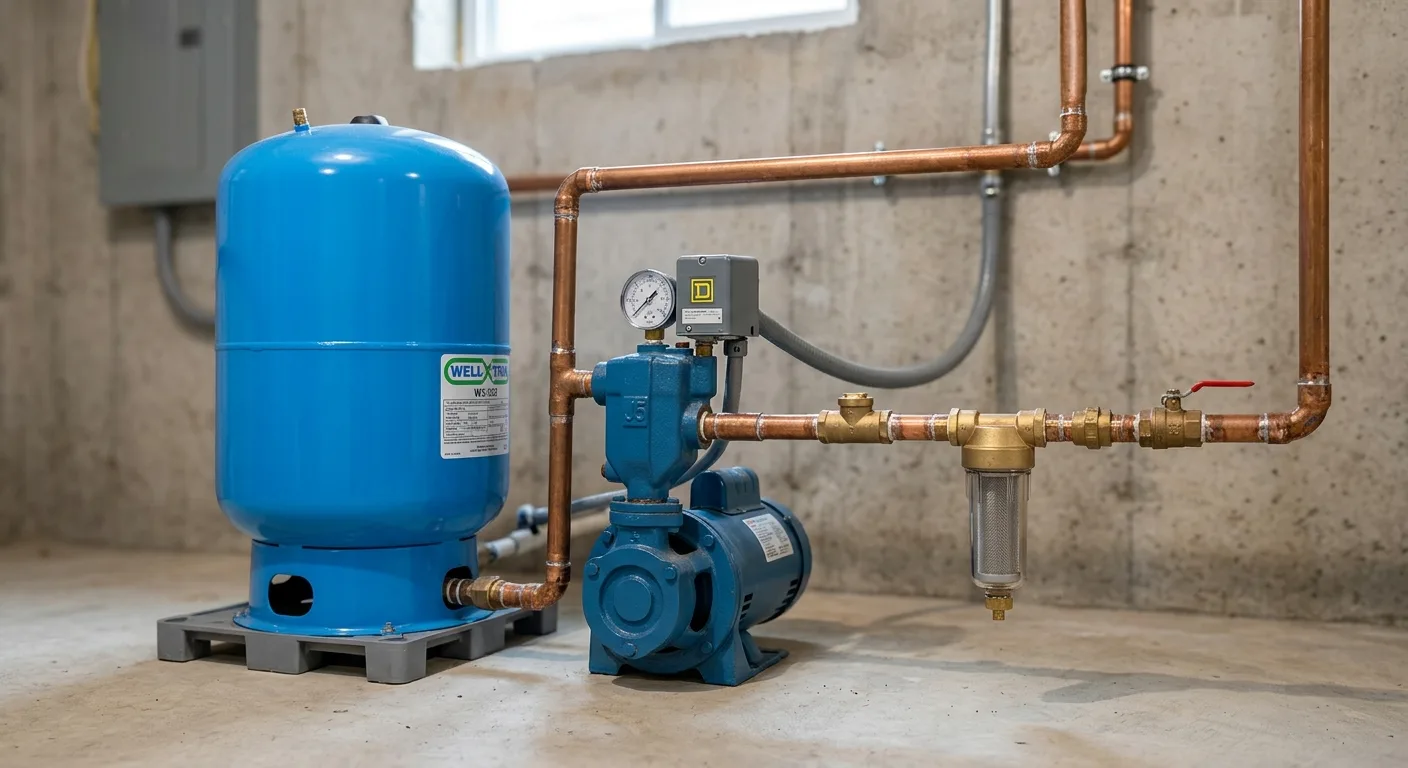
Here's the quick field test we run before condemning any pump. Tap on the pressure tank from top to bottom. A healthy tank sounds hollow near the top (air) and solid near the bottom (water). If the whole tank thuds solid, the bladder has failed and the tank is full of water with no air cushion left. That's a waterlogged tank, and swapping it usually ends the short-cycling without ever touching the pump.
"A pump that short-cycles isn't a bad pump yet, it's a pump being murdered by a dead tank. Fix the tank first and you often save the pump entirely."
So before you price out a new pump, check the tank. If the pump is short-cycling under a minute, shut the system off at the breaker so it stops hammering the motor, and get it looked at. We'll tank-test, check the pressure switch, and only talk pump replacement if those check out. Ready when you are: (301) 834-2944.
Air spitting from the faucet on well water
Air spitting from a faucet on well water means air is getting into a system that should be solid water from the pump to the tap. There are three usual sources: the water table has dropped and the pump is drawing air at the bottom of the well, there's a leak in the drop pipe or a fitting letting air in, or a waterlogged tank is pushing its last gulp of air through the lines. In a dry stretch, a shallow or aging well can pull the water level down to where the pump periodically sucks air, and you feel it as that sputtering cough at the tap.
The reason this one matters is that a pump running dry, even intermittently, cooks itself. Submersible pumps are cooled by the water they move, so a pump gulping air is a pump overheating. If your faucets are spitting air and it isn't clearing after you run the water for a minute or two, that's the point to stop and have the well checked rather than keep running it. Get a straight diagnosis before the pump takes the hit.
Well pump running constantly
A well pump running constantly, never shutting off, is the symptom to take most seriously, because a pump that can't reach its cutoff pressure is a pump about to burn out. It happens for a few reasons: the pump is worn and simply can't build enough pressure to satisfy the switch, there's a leak somewhere in the system bleeding pressure as fast as the pump makes it, or the pressure switch or its tubing is fouled and misreading. Whatever the cause, a motor that never rests overheats, and overheating is what turns a repair into a full replacement.
- Worn pump: the motor spins but can no longer push water to cutoff pressure, so it runs forever chasing a number it can't hit.
- System leak: a leak in the drop pipe, a fitting, or a fixture bleeds pressure continuously, so the pump keeps running to replace it.
- Bad pressure switch: a corroded switch or a clogged sensing port never tells the pump to stop.
"If your pump is running and won't shut off, kill the breaker. Every extra minute it runs dry or under load is a minute off the motor's life, and those minutes add up fast."
This is the one signal where we tell people not to wait. Shut the pump off at the breaker to protect the motor, then call. Diagnosing whether it's the pump, a leak, or the switch takes a pressure gauge and a few minutes, and it decides whether you're buying a $30 switch or a new pump. Talk to us before it burns out: (301) 834-2944.
When it's NOT the pump, and you should hold off
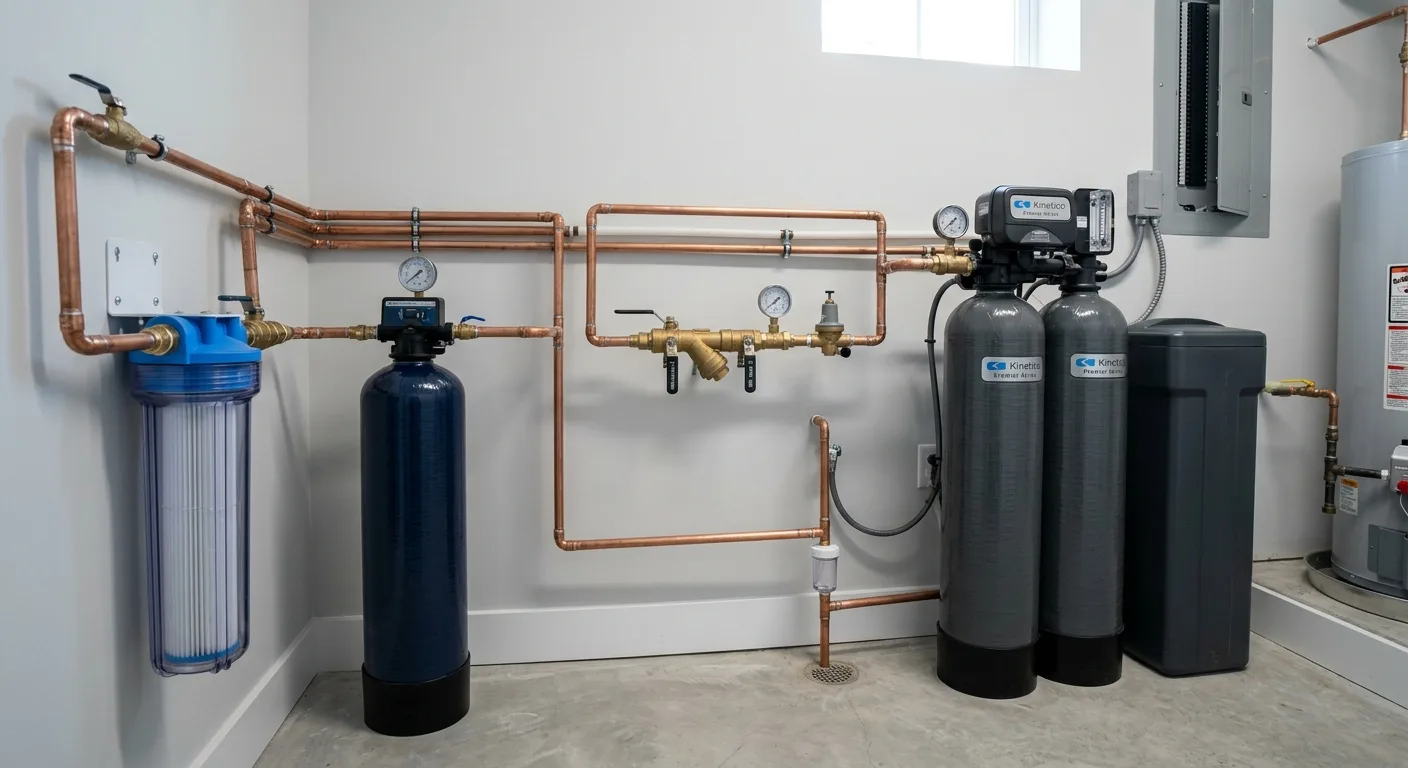
That water-quality note is worth a beat, because on wells the two problems travel together. Orange staining and a sulfur smell are iron and hydrogen sulfide, common in upper-county wells, and no pump repair touches them. That's a well-water iron, sulfur, and sediment treatment conversation, and we test before recommending any equipment so you don't buy the wrong machine.
How long do well pumps last, and what shortens the life
A submersible well pump typically lasts 8 to 15 years, and the spread depends heavily on how the system is set up and maintained. The single biggest life-shortener is the one covered above: a waterlogged pressure tank that makes the pump short-cycle. A pump that starts and stops constantly can wear out in a fraction of its expected life, while the same pump on a healthy tank runs the full stretch. Sediment, hard water, and a pump that periodically runs dry all take their toll too.
The practical takeaway for a well owner is to treat the pressure tank as part of the pump's maintenance, not a separate thing you forget about in the corner of the basement. Keep the tank charged and healthy and you protect the expensive part down the well. If your pump is already past ten years and starting to show the symptoms above, it's worth having the whole system looked at together rather than replacing one piece at a time. Tell us what it's doing and we'll give you a straight read on how much life is left in it.
Frequently asked questions
How long do well pumps last?
A submersible well pump usually lasts 8 to 15 years. The biggest factor is the pressure tank: a waterlogged tank that makes the pump short-cycle can cut a pump's life dramatically, while a healthy tank lets it run the full stretch. Sediment, hard well water, and a pump that periodically runs dry from a dropping water table all shorten it too. If yours is past ten years and showing symptoms, have the pump and tank checked together. Call (301) 834-2944.
Why does my well pump keep turning on and off?
Rapid on-off cycling, called short-cycling, is almost always a waterlogged pressure tank that has lost its air charge, not the pump itself. Without the air cushion, the pressure switch trips constantly and drags the pump along, which is what actually wears the motor out. Tap the tank: if it sounds solid all the way down instead of hollow near the top, the bladder has failed. Fixing the tank usually ends the cycling without replacing the pump.
Why is air spitting from my faucets on well water?
Air in the lines on a well means air is entering a system that should be solid water. The three usual causes are a dropping water table letting the pump draw air at the bottom of the well, a leak in the drop pipe or a fitting, or a waterlogged tank pushing its last air through the lines. In a dry late-summer stretch around Damascus, Clarksburg, and Poolesville, a lower water table is the common one. A pump gulping air overheats, so if it doesn't clear after running the water, stop and have it checked.
Do you service well pumps in Damascus, Clarksburg, and Poolesville?
Yes. Well water is a core part of what Holdsy Plumbing does, and the well-belt towns in the upper county, including Damascus, Clarksburg, and Poolesville, are everyday work for us. Chase Holdsworth owns and runs the shop, so the person who diagnoses your pump is the person who answers the phone. Call (301) 834-2944 and describe what your system is doing, or send the details through our contact page for a free estimate. If it turns out the pressure is fine but the water is off, we also handle the case where it's pressure, not the pump.